
Iona Green Waste Disposal Services
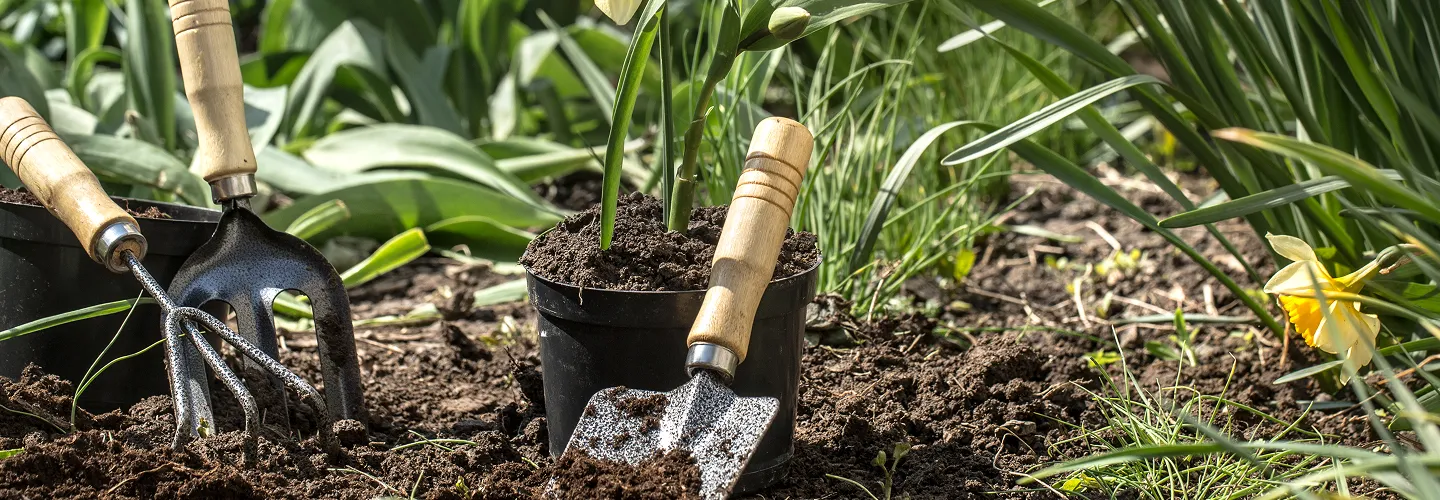
Choose our Green Waste Disposal for reliable, environmentally responsible service that keeps your property clean and supports a healthier community. We make it easy to dispose of yard debris while ensuring it’s recycled or composted, not sent to landfill.
Get a Free QuoteOur Iona Landscaping & Yard Care Services
When to Schedule Green Waste Disposal in Iona, Florida – Seasonal Guide
In Iona, Florida, the timing of green waste disposal is closely tied to our unique subtropical climate and the rhythms of local landscaping needs. The best periods for scheduling green waste removal are typically late winter through early spring, just after the last frost date, and again in late summer before hurricane season peaks. These windows allow homeowners in neighborhoods like Kelly Greens and the McGregor Boulevard corridor to clear out storm debris, fallen branches, and seasonal plant trimmings efficiently, minimizing the risk of pest infestations and promoting healthy regrowth.
Local environmental factors play a significant role in determining the optimal disposal schedule. High humidity and frequent summer rains can accelerate plant growth, leading to more frequent yard waste accumulation, especially in shaded areas near the Caloosahatchee River. Soil composition in Iona—often sandy with pockets of loam—affects how quickly organic material breaks down, while municipal guidelines and local resources help ensure compliance with disposal regulations. By considering these factors, residents can keep their properties tidy and environmentally responsible throughout the year.
Local Factors to Consider for Green Waste Disposal in Iona
- Tree density and types of vegetation on your property
- Proximity to water bodies like the Caloosahatchee River
- Seasonal precipitation and hurricane risk
- Shade coverage and microclimates in neighborhoods such as Kelly Greens
- Soil type and drainage characteristics
- Municipal restrictions and scheduled pickup dates
Benefits of Green Waste Disposal in Iona
Eco-Friendly Landscaping Solutions
Efficient Green Waste Removal
Promotes Healthy Plant Growth
Reduces Landfill Waste
Improves Curb Appeal
Supports Sustainable Practices
Iona Green Waste Disposal Types

Grass Clippings
-
Tree Branches
-
Shrub Trimmings
-
Leaves Collection
-
Garden Weeds
-
Hedge Cuttings
-
Plant Debris
Our Green Waste Disposal Process
Collection of Green Waste
Sorting and Separation
Transport to Disposal Facility
Eco-Friendly Processing
Why Choose Iona Landscape Services
-
Iona Homeowners Trust Us
-
Expert Lawn Maintenance
-
Reliable Scheduling
-
Competitive Pricing
-
Professional Team
-
Satisfaction Guarantee
-
Personalized Service
Coordinating Green Waste Disposal Through Lee County Services in Iona
Iona is an unincorporated community within Lee County, which means all municipal-level services—including green waste collection and disposal—are administered through county departments rather than a standalone city government. Residents and property managers should verify current curbside vegetative debris collection schedules, accepted material types, and bundling or container requirements directly through Lee County's solid waste division. Green waste typically includes grass clippings, leaves, palm fronds, tree trimmings, and other organic yard debris, but specific acceptance criteria and volume limits should be confirmed before placing materials at the curb.
- Vegetative debris must generally be separated from household trash and recyclables for proper processing
- Bundled branches and bagged clippings should follow county size and weight guidelines, which can change seasonally or after storm events
- Commercial landscaping operations generating green waste in Iona may be subject to different disposal requirements than residential accounts
- After tropical storms or hurricanes, Lee County may activate special debris collection routes; residents should monitor Lee County Government announcements for updated schedules
Lee County Department of Community Development
1500 Monroe Street, Fort Myers, FL 33901
Official Website: Lee County Department of Community Development
Property owners undertaking larger clearing or land-modification projects that generate significant green waste volumes should contact the Department of Community Development to determine whether site work review or land-clearing permits apply before disposal begins.
How Iona's Gulf Coast Climate Intensifies Green Waste Accumulation
Iona sits within the Gulf Coast Florida climate zone, classified in USDA Hardiness Zone 10a, where year-round warmth and pronounced wet-season rainfall drive continuous vegetative growth. This climate directly affects the volume and frequency of green waste generation across residential and commercial properties.
- Wet-season growth surges: From roughly June through October, Iona receives the majority of its annual rainfall—often exceeding 50 inches total per year. St. Augustinegrass, bahiagrass, and tropical ornamentals grow aggressively during this period, producing heavy volumes of clippings, frond drop, and pruning debris
- Sandy, poorly drained soils: Much of Iona's landscape sits on sandy coastal soils with a high water table, characteristic of the Myakka and Immokalee soil series common in southwest Florida. These soils drain quickly at the surface but can become saturated during heavy rains, causing yard debris to sit in standing water if not removed promptly
- Salt exposure and wind: Iona's proximity to Estero Bay and the Gulf of Mexico introduces salt-laden winds that stress vegetation, accelerating leaf drop and branch dieback on exposed properties
- Humidity and decomposition: Sustained humidity above 70 percent through much of the year causes piled green waste to decompose rapidly, attracting insects and generating odors if left unmanaged for extended periods
These conditions make timely green waste removal essential for both property maintenance and neighborhood drainage protection. Organic debris left in swales, along canal banks, or near stormwater inlets can obstruct drainage flow and contribute nutrient loading into local waterways, a concern addressed under the Florida DEP NPDES Stormwater Program.
Navigating Iona's Regulatory Framework for Green Waste Disposal Compliance
Green waste disposal in Iona falls under Lee County's code enforcement and environmental compliance standards. Several regulatory layers apply depending on the source, volume, and disposal method of vegetative debris.
- Curbside placement rules: Lee County establishes guidelines for how vegetative waste must be prepared for collection, including separation from construction debris, household waste, and hazardous materials. Verify current bundling dimensions and container specifications through county solid waste resources before placing debris at the curb
- Right-of-way restrictions: Green waste must not be placed in a manner that blocks sidewalks, drainage swales, roadway shoulders, or stormwater inlets. Obstructing drainage infrastructure can trigger code enforcement action and may violate stormwater management requirements under the Clean Water Act
- Tree removal debris: Properties generating green waste from tree removal should be aware that Lee County maintains tree requirements that may apply to protected species or trees within development review areas. Disposal of debris from regulated tree work may require documentation
- Commercial hauler compliance: Landscaping contractors hauling green waste from Iona properties must use approved disposal facilities. Illegal dumping of vegetative debris in vacant lots, canal banks, or wetland buffers is subject to enforcement under both county ordinance and state environmental regulations
Lee County Department of Transportation
Official Website: Lee County Department of Transportation
For questions about right-of-way clearance, swale maintenance, or debris placement along county-maintained roads in Iona, the Department of Transportation can clarify which areas fall under county jurisdiction and what placement restrictions apply.
Stormwater discharge from properties where green waste has been improperly stored or allowed to decompose into drainage systems may also fall under EPA municipal stormwater discharge requirements, particularly for commercial or multi-family sites.
Timing and Methods for Green Waste Disposal in Iona's Seasonal Cycles
Professional green waste disposal in Iona requires scheduling that accounts for the community's distinct wet and dry seasons, storm vulnerability, and rapid decomposition rates.
- Wet-season frequency: During June through October, weekly or biweekly green waste removal is typically necessary for actively maintained properties. Grass clippings, hedge trimmings, and palm frond drop increase substantially with summer rainfall and heat
- Dry-season management: From November through May, green waste volumes generally decrease, but irrigation-dependent landscapes still produce regular clippings and pruning debris. This period is also when many property owners schedule major pruning or tree work, generating larger volumes of woody debris
- Storm preparation and aftermath: Pre-hurricane trimming of palms, dead branches, and overgrown canopy generates concentrated green waste that should be disposed of before storm season peaks. Post-storm debris should be separated into vegetative and non-vegetative categories for proper county collection
- Same-day removal: In Iona's heat and humidity, green waste left on-site for more than a few days begins to decompose, leach tannins, and attract pests. Prompt removal protects turf health, prevents staining on hardscape, and reduces nutrient runoff into nearby canals and retention areas
Lee County Parks and Recreation
Official Website: Lee County Parks and Recreation
Properties adjacent to county parks, greenways, or public open spaces in Iona should coordinate disposal timing to avoid placing debris where it could migrate onto public land or into shared drainage systems. UF/IFAS provides additional guidance on protecting Florida's water resources from landscape-generated nutrient loading.
What Neighborhoods Do We Serve Throughout Iona, FL?
- Iona Shores: Waterfront properties along the Caloosahatchee River generate significant palm frond and tropical debris, with disposal logistics affected by narrow lot access and canal-adjacent drainage sensitivity
- McGregor Woods: Mature tree canopy throughout this established subdivision produces steady volumes of leaf litter and branch debris, particularly after summer storms and during dry-season wind events
- Peppertree Pointe: This residential community features irrigated turf and ornamental beds that require regular clipping and trimming disposal, with HOA standards often dictating prompt debris removal from common areas
- Crown Colony: Larger lot sizes and golf-course-adjacent landscaping generate above-average green waste volumes, and proximity to retention ponds requires careful debris management to prevent nutrient migration
- Whiskey Creek: One of the area's most established neighborhoods, Whiskey Creek's mature landscaping and canal-bordered lots demand consistent green waste removal to maintain drainage flow and curb appeal
- Cypress Cove: Properties near preserved wetland areas must ensure green waste is not stockpiled near environmental buffers, as decomposing organic material can affect water quality in adjacent conservation zones