
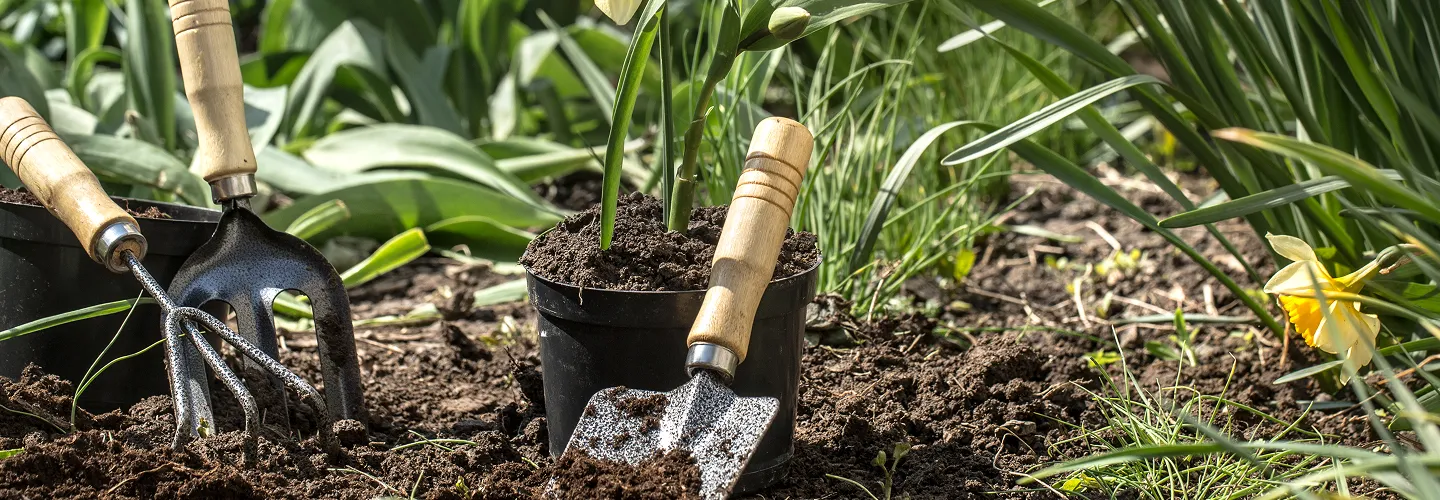
Iona Flower Bed Maintenance Services
Choose our Flower Bed Maintenance for expert care, vibrant blooms, and a hassle-free garden that enhances your home's beauty and value season after season.
Get a Free QuoteOur Iona Landscaping & Yard Care Services
When to Schedule Flower Bed Maintenance in Iona, Florida – Seasonal Guide
In Iona, Florida, the subtropical climate means flower bed maintenance is best scheduled around the region’s unique weather patterns and environmental conditions. The optimal times for maintenance are typically late winter through early spring and again in early fall, when temperatures are moderate and rainfall is more predictable. This timing helps local homeowners in neighborhoods like Kelly Greens and the areas near Bunche Beach prepare their gardens for the growing season and recover from the summer heat.
Local factors such as high humidity, sandy soils, and the risk of late winter frosts—especially in shaded yards or those near the Caloosahatchee River—play a significant role in determining the best maintenance schedule. It’s also important to consider municipal guidelines and water restrictions, which can affect when and how you care for your flower beds. For more information on local regulations, visit the official town website.
Local Factors to Consider for Flower Bed Maintenance in Iona
- Tree density and shade coverage, especially in established neighborhoods
- Soil type and drainage, with sandy soils requiring different care than clay-rich areas
- Seasonal precipitation patterns and drought risk
- Proximity to water bodies like the Caloosahatchee River, which can influence humidity and frost risk
- Municipal restrictions on watering and fertilizer use
- Terrain variations, such as sloped yards or low-lying areas prone to pooling water
Benefits of Flower Bed Maintenance in Iona
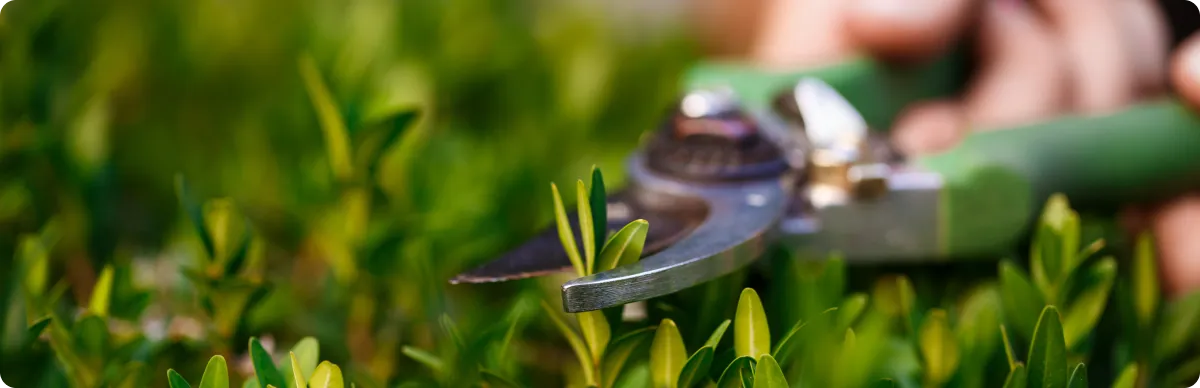
Enhanced Curb Appeal
Weed and Pest Prevention
Healthier Plant Growth
Seasonal Color Variety
Professional Expertise
Time and Effort Savings
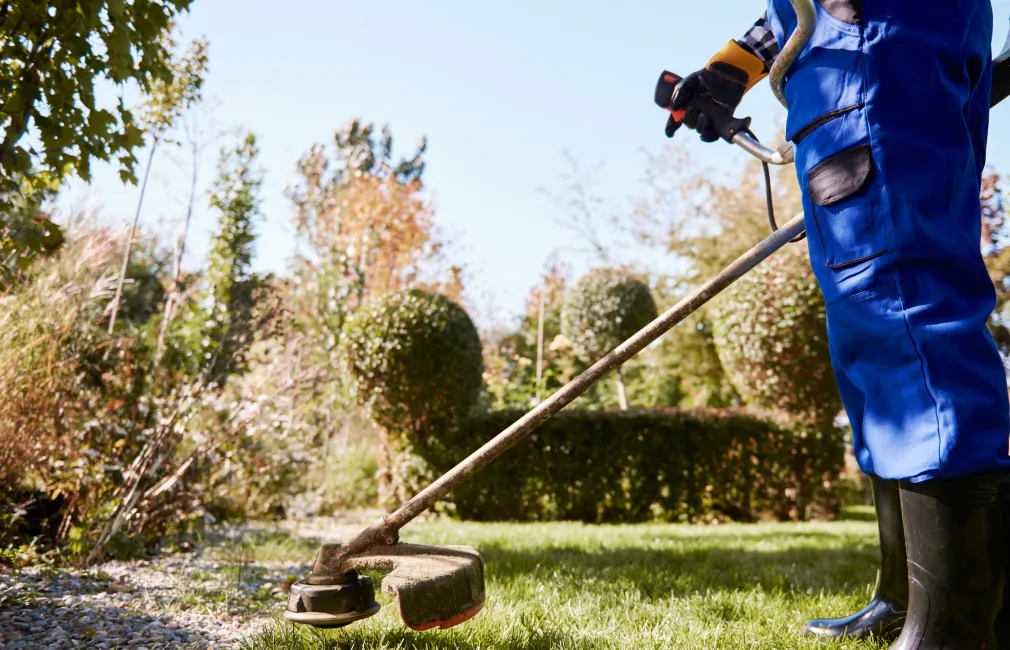
Iona Flower Bed Maintenance Types

Seasonal Flower Planting
-
Weed Control Services
-
Mulching and Soil Conditioning
-
Pruning and Deadheading
-
Fertilization Programs
-
Pest and Disease Management
-
Edging and Bed Redefining
Our Flower Bed Maintenance Process
Site Evaluation
Weed Removal
Soil Cultivation
Mulching
Plant Health Inspection
Why Choose Iona Landscape Services
-
Iona Homeowners Trust Us
-
Expert Lawn Maintenance
-
Reliable Scheduling
-
Competitive Pricing
-
Professional Team
-
Satisfaction Guarantee
-
Personalized Service
Coordinating Flower Bed Maintenance With Lee County Programs in Iona
Iona is an unincorporated community in Lee County, meaning residents coordinate landscape-related services through county departments rather than a municipal government. For flower bed maintenance, this includes understanding how vegetative debris from bed cleanouts—spent annuals, pulled weeds, trimmed perennials, and old mulch—must be handled under Lee County's yard waste collection guidelines. Property owners should verify current curbside pickup schedules and bundling requirements for organic debris through Lee County's solid waste resources, as collection rules may differ for residential and commercial properties. When flower bed work involves changes near rights-of-way, drainage swales, or utility easements, coordination with the county's development services division is advisable before beginning any ground disturbance.
- Separate vegetative bed debris from household waste and construction materials before placing it at the curb
- Confirm whether your property falls within a special taxing district or community development district that may impose additional landscape standards
- Contact Lee County Parks and Recreation for guidance on public-facing landscape standards adjacent to county-maintained greenspaces
Lee County Parks and Recreation
Official Website: Lee County Parks and Recreation
Lee County Department of Community Development
Official Website: Lee County Department of Community Development
How Iona's Gulf Coast Climate and Soils Shape Flower Bed Performance
Iona sits within the Gulf Coast Florida context, classified in USDA Hardiness Zone 10a, where subtropical heat, high humidity, and a pronounced wet season from June through October define the growing environment. Soils across much of Iona consist of sandy, poorly drained profiles typical of coastal Lee County, often with a high water table that can saturate root zones during heavy summer rains. These conditions create specific challenges for flower bed maintenance:
- Rapid nutrient leaching: Sandy soils drain quickly in the dry season but lose applied fertilizers before plants can absorb them, requiring slow-release formulations and careful timing
- Fungal pressure: Sustained humidity and warm overnight temperatures promote root rot, powdery mildew, and leaf spot in densely planted beds
- Salt exposure: Properties closer to the Caloosahatchee River or Estero Bay may experience salt drift that damages sensitive ornamentals
- Irrigation dependence: During the dry season (November through May), flower beds without drip or micro-spray irrigation can desiccate rapidly in Iona's sandy substrate
Mulch preservation is critical in this environment, as exposed sandy soil heats quickly under direct sun and loses moisture within hours. Residents should also be aware that runoff from flower beds can carry sediment and nutrients into nearby swales, canals, and retention areas, making stormwater-conscious practices essential.
Navigating Lee County Regulations and Compliance for Flower Bed Maintenance in Iona
Flower bed maintenance in Iona falls under several layers of regulatory oversight. While routine deadheading, weeding, and mulch replenishment do not require permits, property owners should be aware of the following compliance considerations:
- Fertilizer ordinance awareness: Lee County follows fertilizer use guidelines aligned with Florida Statutes §403.9337, which establishes a model ordinance for Florida-Friendly fertilizer use on urban landscapes. Verify current seasonal application restrictions, particularly any summer blackout periods, through county resources
- Pesticide application: Any chemical weed control or pest treatment applied to flower beds must comply with Florida Chapter 487 pesticide regulations. Commercial applicators must hold valid FDACS pesticide applicator licenses
- Stormwater protection: Under the Florida DEP NPDES Stormwater Program, soil disturbance, mulch displacement, and nutrient runoff from flower beds near drainage infrastructure must be managed to prevent pollutant discharge into surface waters
- Irrigation compliance: Watering restrictions may vary by utility provider, water management district directives, and drought stage; property owners should confirm current schedules through Lee County Utilities
Lee County Utilities
Official Website: Lee County Utilities
Timing and Professional Standards for Flower Bed Maintenance in Iona's Seasons
Effective flower bed maintenance in Iona requires alignment with the area's subtropical seasonal cycle. Professional standards for bed care in this region emphasize the following timing and technique considerations:
- Seasonal replanting: Cool-season annuals such as petunias, snapdragons, and dianthus are typically installed between October and February, while warm-season selections like pentas, lantana, and vinca perform from March through early November
- Mulch replenishment: Beds should be refreshed to maintain approximately two to three inches of organic mulch depth; replenishment is commonly performed twice per year—once before the wet season and once before the dry season—to protect root zones and suppress weed germination
- Deadheading and cleanup: Removing spent blooms every two to four weeks encourages continued flowering and reduces fungal habitat in Iona's humid conditions
- Weed suppression: Pre-emergent applications, where appropriate, should be timed before seasonal weed flushes that typically accelerate with the onset of summer rains in late May and June
- Irrigation emitter checks: Drip lines and micro-spray heads in flower beds should be inspected monthly, as sandy soil settlement and root intrusion can displace emitters and create dry zones or overwatered pockets
All bed maintenance should keep organic debris, soil, and granular products out of adjacent swales, curb inlets, and canal edges to protect downstream water quality consistent with EPA WaterSense outdoor guidance.
What Neighborhoods Do We Serve Throughout Iona, FL?
- Iona Shores: Waterfront and near-waterfront lots along the Caloosahatchee require salt-tolerant flower bed selections and careful irrigation management due to brackish groundwater influence
- McGregor Woods: Mature tree canopy throughout this established subdivision creates significant shade exposure, requiring shade-adapted annuals and perennials in most bed areas
- Whiskey Creek: Larger residential lots with canal-adjacent properties demand heightened attention to mulch retention and nutrient runoff prevention near drainage infrastructure
- Crown Colony: HOA-governed properties in this community often maintain specific landscape appearance standards that influence flower bed design, plant selection, and maintenance frequency
- Cypress Lake: Mixed residential density with retention pond adjacency makes stormwater-conscious bed maintenance particularly important for properties bordering common drainage areas
- Iona Lakes: Newer subdivision fill soils may compact differently than native sandy profiles, affecting drainage behavior and root establishment in flower beds