
Iona Plant Removal Services
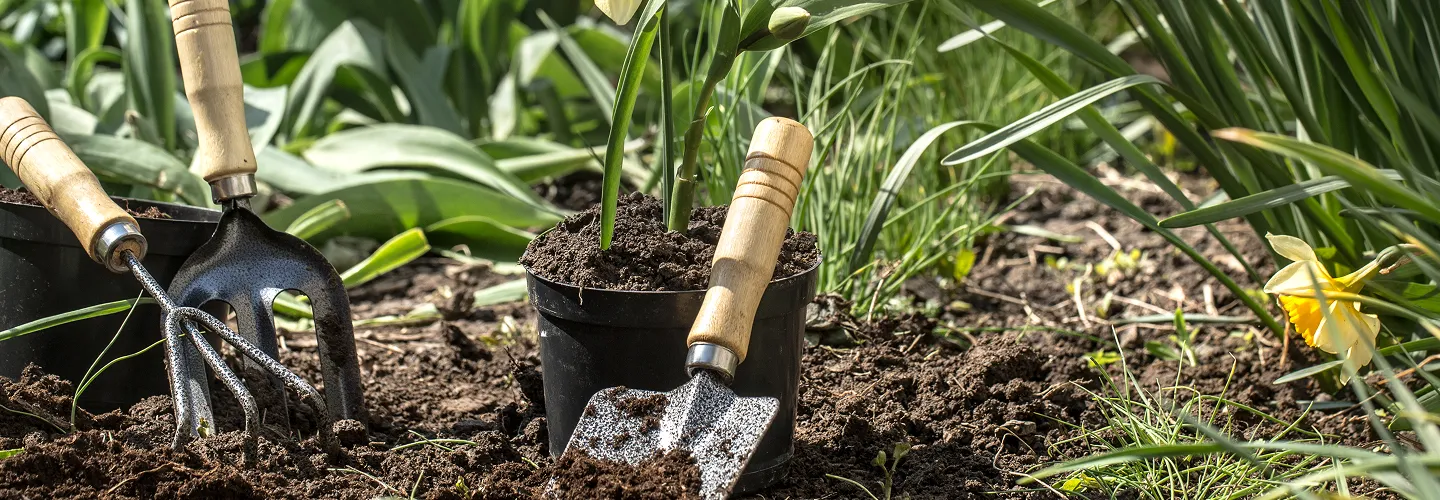
Choose our plant removal services for safe, thorough, and environmentally responsible solutions that restore your landscape’s beauty and health—handled by experienced professionals you can trust.
Get a Free QuoteOur Iona Landscaping & Yard Care Services
When to Schedule Plant Removal in Iona, Florida – Seasonal Guide
In Iona, Florida, timing your plant removal is crucial for both the health of your landscape and the efficiency of the process. The subtropical climate here means that most plant removals are best scheduled during the cooler, drier months—typically from late fall through early spring. This period avoids the peak of hurricane season and the intense summer humidity, making it safer and less disruptive for both your property and the surrounding environment. Neighborhoods near the Caloosahatchee River or close to the Iona Shores area often experience higher soil moisture and shade coverage, which can affect root systems and removal logistics.
Local environmental factors such as the last frost date (usually in late January), the risk of drought during spring, and the sandy, well-draining soils common in areas like Kelly Greens all play a role in determining the best time for plant removal. Additionally, municipal guidelines and seasonal restrictions—sometimes updated on the Town of Sudbury website—should be checked before scheduling any major landscape changes.
Local Factors to Consider for Plant Removal in Iona
- Tree density and proximity to structures
- Terrain slope and soil composition (sandy vs. loamy)
- Seasonal precipitation and risk of flooding
- Shade coverage from mature trees
- Local municipal restrictions or permit requirements
- Proximity to water bodies like the Caloosahatchee River
- Recent weather events (storms, droughts, or frost)
Benefits of Plant Removal in Iona
Improved Landscape Health
Enhanced Curb Appeal
Prevention of Pest Infestations
Increased Usable Space
Reduced Maintenance Costs
Professional and Efficient Service
Iona Plant Removal Types

Tree Removal
-
Shrub Removal
-
Stump Grinding
-
Invasive Species Removal
-
Root System Extraction
-
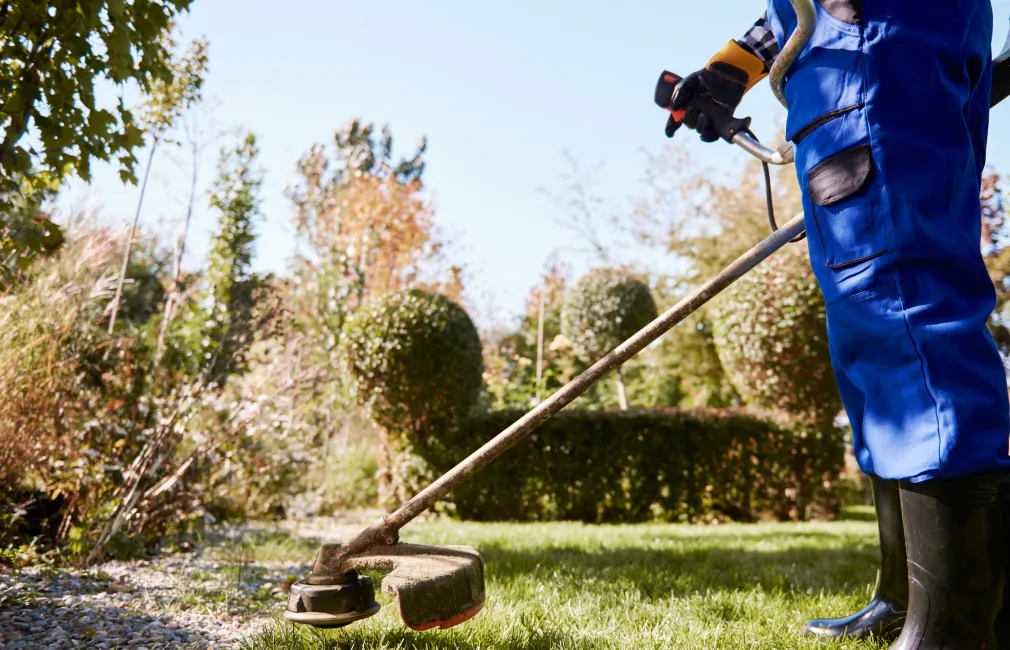
Hedge Clearing
-
Overgrown Vegetation Clearing
Our Plant Removal Process
Site Evaluation
Preparation and Safety Measures
Plant Uprooting
Debris Removal
Site Restoration
Why Choose Iona Landscape Services
-
Iona Homeowners Trust Us
-
Expert Lawn Maintenance
-
Reliable Scheduling
-
Competitive Pricing
-
Professional Team
-
Satisfaction Guarantee
-
Personalized Service
Coordinating Plant Removal Disposal and Debris Routing in Iona, FL
Iona is an unincorporated community in Lee County, which means all municipal-level services—including vegetative debris collection, code compliance, and land-use oversight—fall under Lee County government departments. Residents and property managers planning plant removal should coordinate disposal through the county's established processes for vegetative waste. Removed plant material, root masses, and associated soil must be kept out of roadside swales, canal banks, and stormwater inlets during staging and hauling. Lee County's Department of Community Development handles site-related review when plant removal is tied to broader land clearing or development activity. For routine residential plant removal, property owners should verify current curbside vegetative debris collection schedules and bundling requirements through the county.
- Separate removed plant material from household waste and construction debris before disposal
- Stage debris away from drainage swales, canal edges, and storm-drain inlets
- Confirm whether commercial-scale removal requires coordination with county development services
- Contact Lee County for current yard waste pickup schedules and accepted material types
Lee County Department of Community Development
1500 Monroe Street, Fort Myers, FL 33901
Official Website: Lee County Department of Community Development
How Iona's Gulf Coast Climate and Soils Influence Plant Removal
Iona sits within USDA Hardiness Zone 10a along Florida's Gulf Coast, where subtropical conditions drive aggressive year-round plant growth. The area's sandy, poorly drained soils—common across much of southwestern Lee County—create a high water table that complicates root extraction. Shallow-rooted species may pull free with minimal excavation, but plants established in saturated or organic-rich low areas often develop dense lateral root networks that resist simple removal. Iona's wet season, typically running from late May through October, brings heavy rainfall that raises groundwater levels and softens soil structure, making root-zone disturbance more likely to cause erosion or sediment migration. Salt exposure from Gulf breezes can weaken certain ornamental species over time, sometimes accelerating the need for removal. Proximity to tidal canals and retention ponds throughout the community means disturbed soil can easily wash into stormwater systems if not stabilized promptly after removal.
- Sandy soils with a high water table increase erosion risk during and after plant extraction
- Wet-season saturation softens root zones, requiring careful timing and site stabilization
- Gulf salt exposure may degrade non-native ornamentals, creating recurring removal needs
- Proximity to canals and retention areas demands sediment control during all removal work
Navigating Lee County's Regulatory Framework for Plant Removal in Iona
Plant removal in Iona may trigger county-level review depending on the scope, location, and species involved. Lee County's tree requirements outline environmental standards that apply when removal is part of a development or land-clearing project; property owners should verify whether specific plants on their site fall under protected categories before proceeding. Any plant removal that involves herbicide application to stumps or root systems requires compliance with Florida Statutes Chapter 487, which governs pesticide use, and commercial applicators must hold valid credentials through the FDACS pesticide licensing program. Stormwater compliance is also relevant: the Florida DEP NPDES Stormwater Program establishes discharge standards that apply when removal work disturbs soil near canals, retention ponds, or drainage infrastructure.
- Verify whether plants on the property are subject to Lee County's environmental review standards
- Herbicide use on stumps or regrowth requires proper state licensing under Chapter 487
- Soil disturbance near waterways or stormwater infrastructure must comply with NPDES discharge standards
- Confirm zoning or land-use restrictions through Lee County Zoning before large-scale clearing
Lee County Zoning
1500 Monroe Street, Fort Myers, FL 33901
Official Website: Lee County Zoning
Timing and Methods for Plant Removal Around Iona's Wet Season and Heat Cycles
Professional plant removal in Iona requires careful scheduling around the area's pronounced wet and dry seasons. The dry season—roughly November through April—offers firmer soil conditions, lower water tables, and reduced erosion risk, making it the preferred window for large-scale removal and root extraction. During the wet season, saturated soils increase the likelihood of uncontrolled sediment movement, and exposed root zones can channel runoff directly into nearby swales and retention systems. When removal must occur during wet months, temporary erosion barriers such as silt fencing or staked turbidity cloth should be installed downslope of the work area. Post-removal site stabilization is critical in Iona's climate: bare soil left exposed after extraction can erode rapidly under summer thunderstorms. Replanting, mulching, or sodding the disturbed area within a short window helps prevent nutrient-laden sediment from reaching Florida's water resources.
- Schedule major removal projects during the dry season when soil is firm and water tables are lower
- Install erosion controls before any wet-season removal work near drainage features
- Stabilize exposed soil within days of removal using mulch, sod, or approved ground cover
- Avoid stockpiling removed plant material or soil near canal banks or stormwater inlets
Lee County Parks and Recreation
Official Website: Lee County Parks and Recreation
What Neighborhoods Do We Serve Throughout Iona, FL?
- Iona Shores — Properties along tidal canal edges require careful root extraction to prevent bank destabilization and sediment discharge into waterways.
- McGregor Woods — Mature landscaping on established lots often includes overgrown ornamentals and invasive species that demand systematic removal and disposal coordination.
- Crown Colony — HOA-governed properties may impose additional appearance and replanting standards following plant removal on front-facing lots.
- Peppertree Pointe — Retention pond adjacency in this community makes post-removal soil stabilization essential to protect stormwater quality.
- Whiskey Creek — Older residential lots with dense subtropical plantings frequently require selective removal to address root intrusion, shade conflicts, or drainage obstruction.
- Cypress Cove — Canal-adjacent parcels in this area need erosion control measures during any root-zone disturbance to comply with stormwater protection standards.