
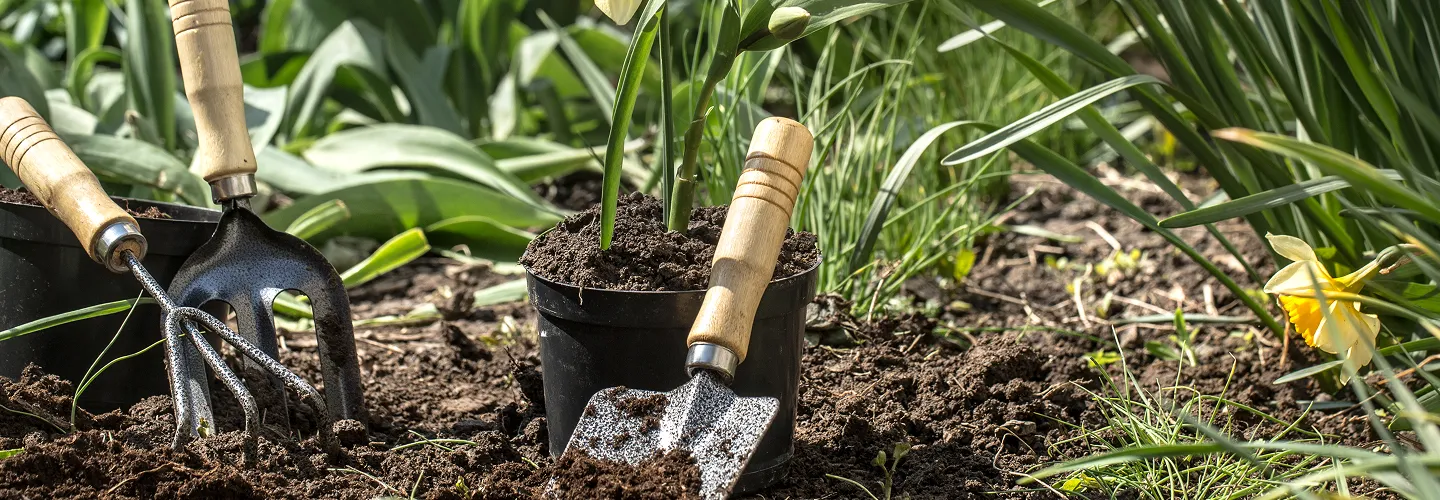
Iona Weeding Services
Choose Iona Weeding Services for expert care that keeps your garden healthy, vibrant, and weed-free—so you can enjoy a beautiful outdoor space without the hassle.
Get a Free QuoteOur Iona Landscaping & Yard Care Services
When to Schedule Weeding in Iona, Florida – Seasonal Guide
In Iona, Florida, the subtropical climate means that weeds can thrive nearly year-round, but the best times for weeding are typically in early spring and late fall. These periods coincide with milder temperatures and increased soil moisture, making it easier to remove weeds before they set deep roots. Neighborhoods near the Caloosahatchee River and areas around Iona Shores often experience higher humidity and denser shade, which can influence weed growth patterns and timing.
Local environmental factors such as the last frost date—usually in late January—should be considered, as well as the risk of summer droughts that can stress both lawns and invasive plants. Soil types in Iona, ranging from sandy near McGregor Boulevard to richer loams closer to Summerlin Road, also affect how and when weeds emerge. For more information on local environmental guidelines, visit the official town resource.
Local Factors to Consider for Weeding in Iona
- Tree density and shade coverage in neighborhoods like Iona Gardens
- Soil type variations from sandy to loamy across different subdivisions
- Seasonal precipitation patterns, especially during summer storms
- Proximity to water bodies such as the Caloosahatchee River
- Municipal restrictions or community association guidelines on herbicide use
- Terrain and slope, which can affect water runoff and weed spread
Benefits of Weeding in Iona
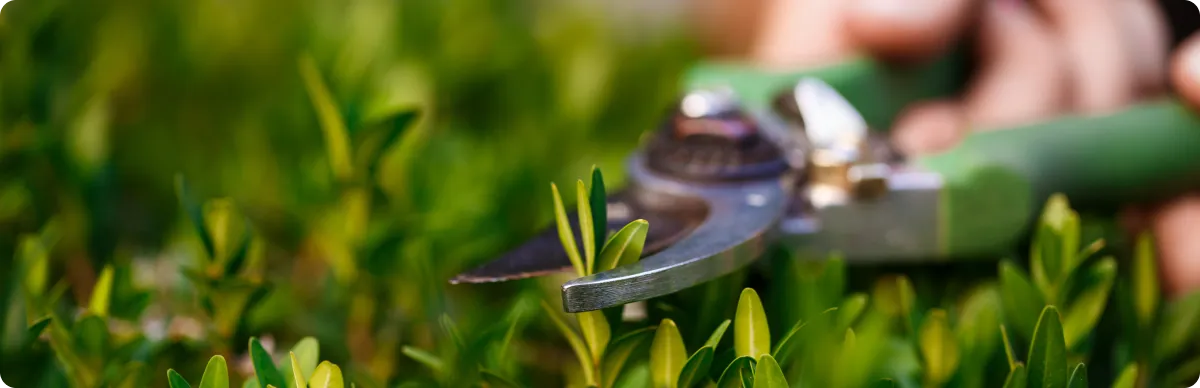
Enhanced Curb Appeal
Healthier Plant Growth
Reduced Pest Infestation
Improved Soil Quality
Professional and Reliable Service
Time and Effort Savings
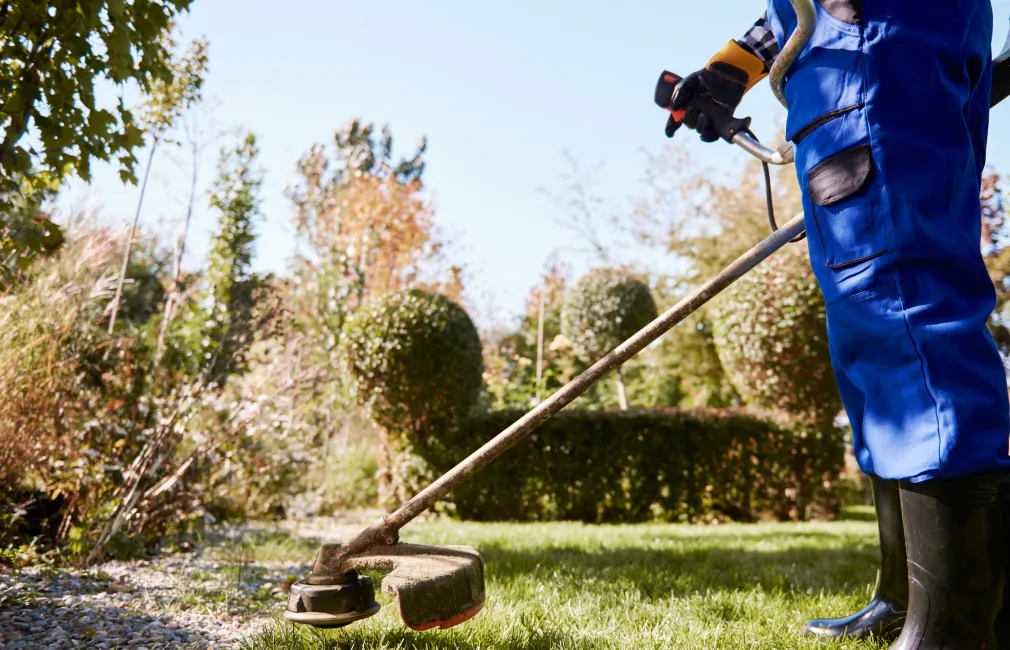
Iona Weeding Types

Hand Weeding
-
Mulching for Weed Control
-
Herbicide Application
-
Flame Weeding
-
Mechanical Weeding
-
Soil Solarization
-
Landscape Fabric Installation
Our Weeding Process
Site Evaluation
Weed Identification
Manual Removal
Soil Cultivation
Preventative Measures
Why Choose Iona Landscape Services
-
Iona Homeowners Trust Us
-
Expert Lawn Maintenance
-
Reliable Scheduling
-
Competitive Pricing
-
Professional Team
-
Satisfaction Guarantee
-
Personalized Service
Coordinating Weeding Services with Lee County Departments in Iona
Iona is an unincorporated community in Lee County, meaning residents and property managers coordinate landscape maintenance—including weeding—through county-level departments rather than a municipal government. When weeding activities involve right-of-way areas, swale edges, or drainage easements, property owners should verify maintenance responsibilities with Lee County before performing or contracting work. Weed debris removed from beds, borders, and hardscape edges must be handled in accordance with county vegetative waste collection guidelines; loose weed material should never be swept or blown into swales, canal banks, or stormwater inlets.
- Confirm whether swale or right-of-way weeding falls under county or homeowner responsibility before beginning work
- Dispose of pulled weeds through approved county yard-waste collection, not into drainage features
- Contact Lee County if weeding involves areas adjacent to public infrastructure or utility easements
Lee County Department of Community Development
1500 Monroe Street, Fort Myers, FL 33901
Official Website: Lee County Department of Community Development
Lee County Parks and Recreation
3410 Palm Beach Boulevard, Fort Myers, FL 33916
Official Website: Lee County Parks and Recreation
How Iona's Gulf Coast Climate and Soils Drive Persistent Weed Growth
Iona sits within USDA Hardiness Zone 10a along Florida's Gulf Coast, where subtropical heat, high humidity, and a pronounced wet season from June through October create conditions that sustain aggressive weed growth nearly year-round. The area's sandy, poorly drained soils—common throughout southwest Lee County—allow rapid moisture infiltration but also promote nutrient leaching, which weakens desirable plantings and gives opportunistic weeds a competitive advantage. Iona's high water table and proximity to tidal waterways and canal systems mean that saturated soils during the wet season accelerate weed germination in beds, along borders, and through mulch layers.
- Sandy soils warm quickly in spring, triggering early weed flushes well before summer
- Afternoon thunderstorms during wet season create repeated germination cycles every few days
- High humidity supports broadleaf and grassy weed species that thrive in warm, moist conditions
- Proximity to canals and retention areas introduces weed seeds through water movement and wind dispersal
Residents can review local soil characteristics through the USDA Web Soil Survey and confirm their hardiness zone via the USDA Plant Hardiness Zone Map.
Navigating Iona's Regulatory Framework for Weeding and Herbicide Use
Any chemical weed control applied on a commercial basis in Iona must comply with Florida Statutes Chapter 487, which governs pesticide regulation and safety statewide. Commercial applicators are required to hold valid certification through the Florida Department of Agriculture and Consumer Services (FDACS) pesticide licensing program. Herbicide applications near swales, canal banks, retention ponds, or stormwater conveyances in Iona carry additional responsibility under the Florida DEP NPDES Stormwater Program, which restricts pollutant discharge into municipal separate storm sewer systems.
- Verify that any contractor performing chemical weeding holds current FDACS certification
- Herbicide drift or runoff into canal edges, swales, or retention areas may constitute a stormwater violation
- Lee County code compliance may address properties where nuisance weed overgrowth creates visibility or maintenance violations
- Hand-weeding and mechanical removal carry no licensing requirements but must still avoid depositing debris into drainage features
Lee County Zoning
1500 Monroe Street, Fort Myers, FL 33901
Official Website: Lee County Zoning
Timing and Methods for Effective Weeding in Iona's Subtropical Landscape
Professional weeding in Iona follows timing patterns dictated by the area's subtropical wet-dry cycle. Pre-emergent treatments, when used, are most effective when applied before soil temperatures consistently exceed 65°F in late winter or early spring—typically February through early March—to intercept the first major flush of warm-season weeds. Post-emergent control and hand removal are ongoing tasks from spring through fall, with the heaviest demand during June through September when rain-driven germination peaks.
- Pull or remove weeds before they set seed to reduce future weed pressure in beds and borders
- Schedule hand-weeding after rainfall events when saturated sandy soils release root systems more easily
- Apply mulch to a depth of two to three inches after weeding to suppress regrowth and retain soil moisture
- Avoid herbicide application immediately before forecast rain to prevent runoff into nearby drainage systems
- Maintain clean bed edges along hardscape, sidewalks, and driveways to reduce weed encroachment from adjacent turf
UF/IFAS provides region-specific guidance on integrated weed management and protecting Florida's water resources during landscape maintenance activities.
What Neighborhoods Do We Serve Throughout Iona, FL?
- Iona Shores — Properties along canal-front lots require frequent bed-edge weeding to manage weed seeds carried by water movement and moist bank conditions.
- McGregor Woods — Mature tree canopy creates shaded beds where shade-tolerant weeds such as artillery weed and Florida betony establish readily in mulched areas.
- Kelly Greens — Golf-course-adjacent lots with maintained landscape beds benefit from consistent pre-emergent scheduling to prevent weed migration from common areas.
- Crown Colony — HOA-governed properties often require documented weeding schedules to maintain community appearance standards in front-yard beds and entry plantings.
- Peppertree Pointe — Smaller lot sizes concentrate landscape beds near impervious surfaces, increasing the importance of runoff-safe weeding practices near driveways and walkways.
- Catalina Isles — Waterfront and retention-pond-adjacent homes demand careful herbicide management to protect adjacent water features from chemical drift or debris.